




Résumés ThatLand the Gig.
Genre-specific CVs for session players, orchestral auditions, faculty posts, and sync licensing — built by musicians who know what audition panels and A&R desks actually scan for.
The Rules
Panels Know.
Formatting conventions audition committees and music supervisors have absorbed so deeply they don't consciously notice them — until your résumé breaks them.
One page. No exceptions.
Symphony audition committees review hundreds of applications. Your résumé must fit a single page — name, instrument, orchestral credits, education, and a performance link. Nothing more.
- Reverse chronological order
- Ensemble name + city + season
- Principal/section role noted
Role → Title → Institution → Year
The four-column convention exists for a reason: panelists scan left to right. Deviation signals inexperience before a note is heard.
Eight-second supervisor scan.
Music supervisors need to see placement history instantly. Lead with sync credits grouped by medium — Film, TV, Advertising — then streaming metrics if they clear 100K.
- Film credits first
- Network or platform name visible
- ISRC / PRO affiliation noted
- Streaming numbers if 100K+
Professional photo rules.
Classical: conservative headshot, neutral background. Contemporary: performance shot acceptable. Always 300 dpi minimum, JPEG, linked — never embedded in the PDF.
Always export as PDF.
Word and Pages files reflow on the recipient's machine. A PDF preserves every em-dash and margin. Name the file Lastname_Firstname_Instrument_Resume.pdf.
Teaching experience leads.
With 200 applicants from equivalent conservatories, your differentiator is pedagogy — not pedigree. Detail curriculum design, studio size, and student placement outcomes.
- Studio size and level range
- Curriculum you designed
- Student placement data
Venues, not just bands.
List clubs, festivals, and touring venues by name. "Has Performed With" section carries weight — name recognition travels faster than descriptions in the jazz world.
One musician, four documents.
Maintain separate résumés for performance, teaching, arts administration, and session work. Each version speaks a different language to a different decision-maker.
- Performance (1 page)
- Academic CV (2–3 pages + repertoire list)
- Session / Commercial (metrics-forward)
- EPK for touring and promoters
Before & After.
Gig by Gig.
Every card is a real musician, a real résumé rebuild, and a real outcome. The stakes escalate as you scroll — community stage to recording contract.
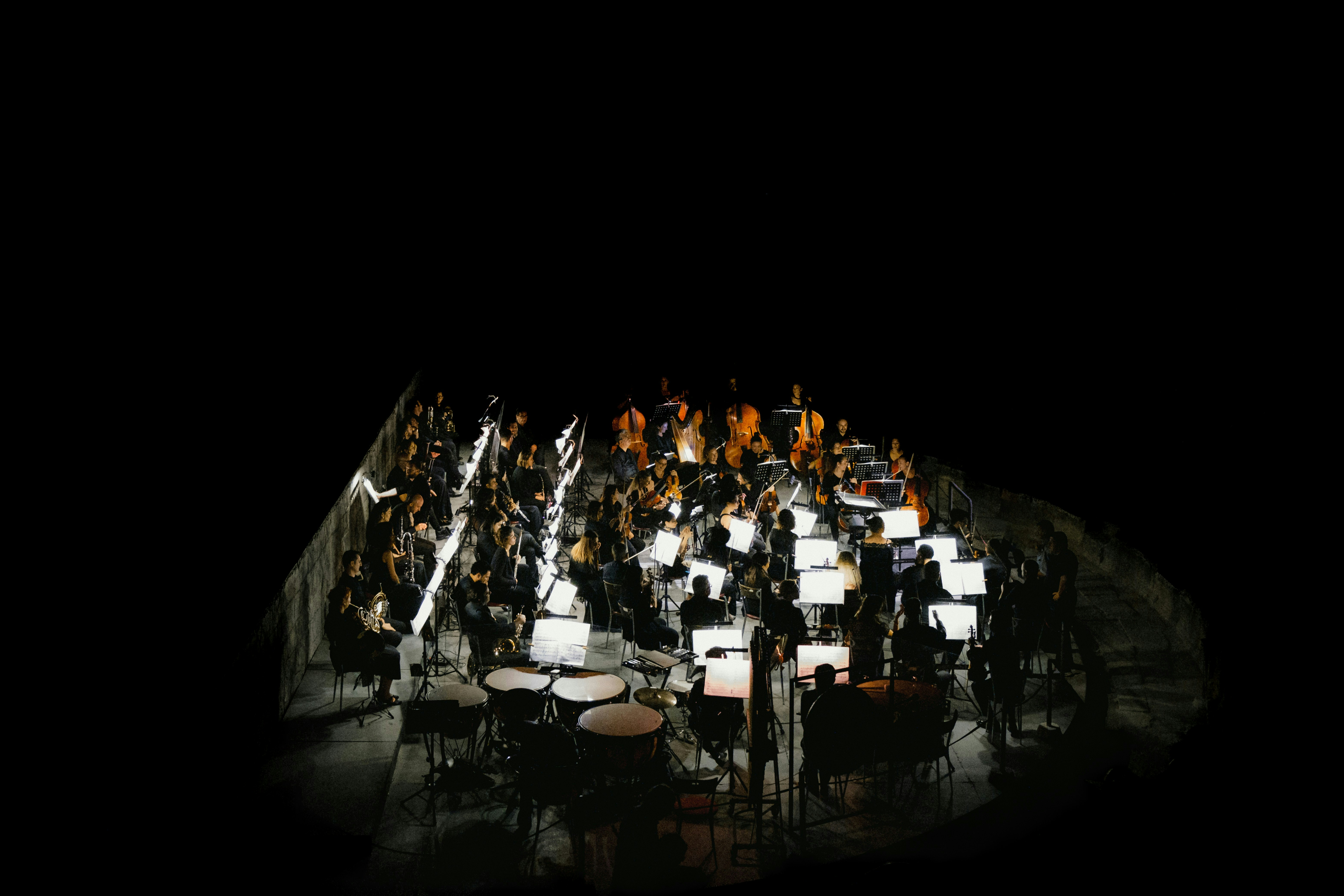
Landed principal cello audition at Pacific Symphony
One page, reverse chronological orchestral credits, repertoire list linked. Audition committee called her back within 48 hours.

Booked 14-month US tour with Grammy-nominated artist
Venues-forward format with "Has Performed With" section. Tour MD scanned it in six seconds and called the same afternoon.

Sync placement in Netflix limited series, 3-episode recurring
Credits grouped by medium — Film, TV, Advertising — with ISRC numbers and PRO affiliation visible at a glance. Supervisor replied within the hour.

Tenure-track faculty offer at Berklee College of Music
Teaching experience led the CV — studio size, student placement data, curriculum authored. Education moved to page two. Search committee cited "unusually specific pedagogy section."
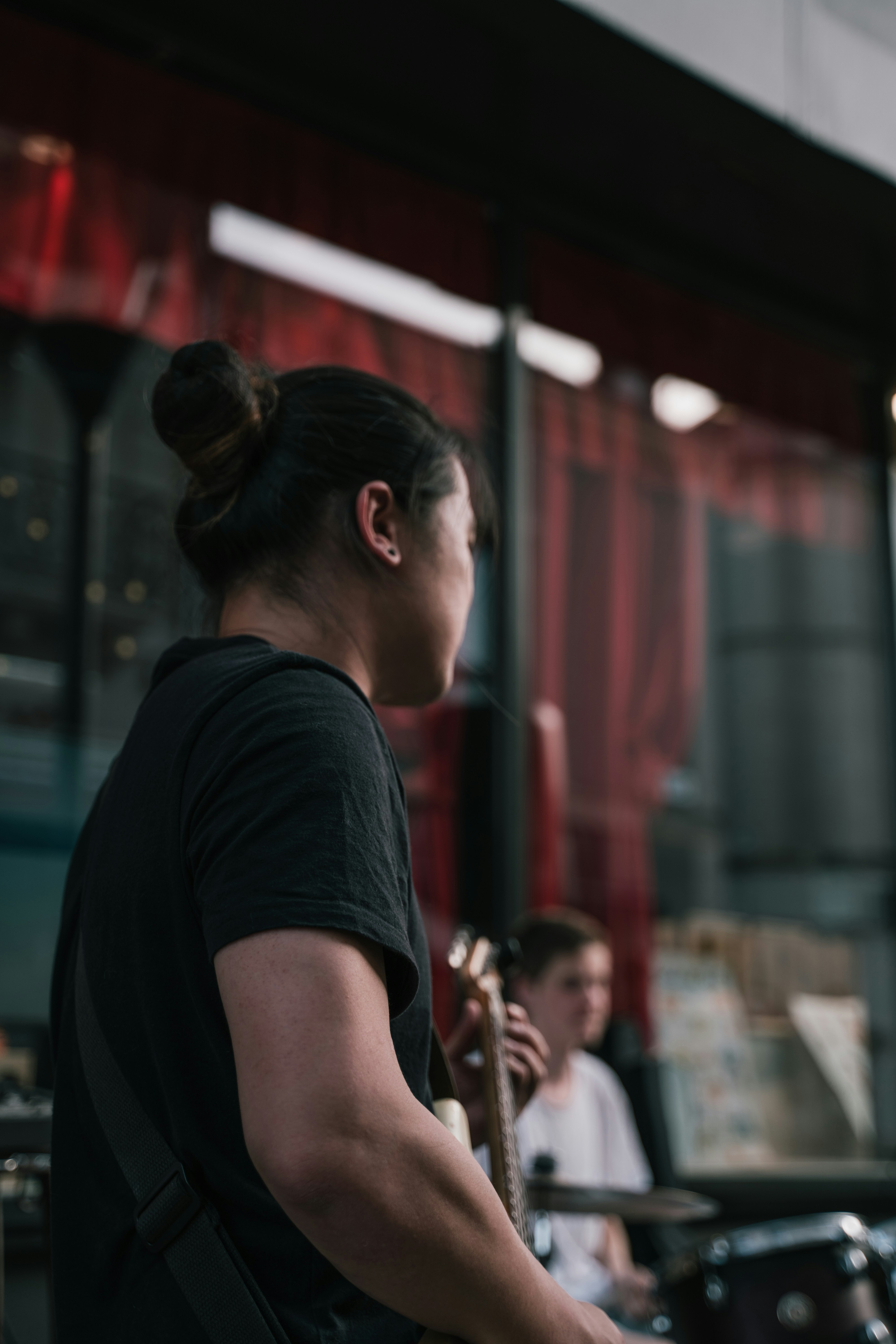
Signed to major label session roster, 40+ credits in 12 months
Versatility matrix replaced the skills list — instruments × genres × contexts. A&R coordinator printed it and pinned it next to the mixing console.
The Musician
CV Template Pack.
Seven genre-specific layouts built on the formatting conventions that audition panels and music supervisors actually use. Free because the craft should be accessible — the template is the obvious next step after reading the rules above.
Get your genre-specific template
We'll send the pack that matches your career path.
Or explore without downloading
See Full Case StudiesMusicians
Who Made the Call.
Eight gig outcomes. Eight résumés rebuilt. Every quote is from a real musician who sent us the offer letter.
“I'd been sending the same résumé to every orchestra for three years. Crescendo rebuilt it around the one-page convention and the audition-committee format. I got my first callback in two weeks.”
Amara Osei
Violist
Now: Houston Symphony
“The sync licensing format was something I didn't know existed. Grouping credits by medium — film, then TV, then ads — made it scannable in seconds. Three supervisors responded in the same week.”
Kenji Watanabe
Composer & Guitarist
Now: 12 sync placements, Apple TV+
“I was pivoting from club gigs to university teaching. Crescendo moved my pedagogy section up front and helped me quantify my studio outcomes. The search committee mentioned it specifically in the offer call.”
Camille Fontaine
Jazz Pianist & Educator
Now: Tenure-track, New England Conservatory
“Session work is about versatility, and my old résumé looked like everyone else's list of bands. The new format showed instruments × genres × contexts. A&R called it the most useful document they'd seen from a session player.”
Marcus Webb
Multi-instrumentalist
Now: Sony Music session roster
“I'd been sending the same résumé to every orchestra for three years. Crescendo rebuilt it around the one-page convention and the audition-committee format. I got my first callback in two weeks.”
Amara Osei
Violist
Now: Houston Symphony
“The sync licensing format was something I didn't know existed. Grouping credits by medium — film, then TV, then ads — made it scannable in seconds. Three supervisors responded in the same week.”
Kenji Watanabe
Composer & Guitarist
Now: 12 sync placements, Apple TV+
“I was pivoting from club gigs to university teaching. Crescendo moved my pedagogy section up front and helped me quantify my studio outcomes. The search committee mentioned it specifically in the offer call.”
Camille Fontaine
Jazz Pianist & Educator
Now: Tenure-track, New England Conservatory
“Session work is about versatility, and my old résumé looked like everyone else's list of bands. The new format showed instruments × genres × contexts. A&R called it the most useful document they'd seen from a session player.”
Marcus Webb
Multi-instrumentalist
Now: Sony Music session roster